The CHT course consists of six Mandalas covering 72 units and 200 total hours over nine months. Each Mandala is organized in three Upamandalas (sub-modules).
Mandalas
Upamandalas
Units
Hours
Months
1-A: Orientation to Hindu Spiritual Care
HSCI history, vision, scholar expectations, community profile, course orientation
1-B: Hindu Philosophy and Practices
Hindu civilization, saṃskāra-s, Vedic rites, Bhagavad Gita as actionable philosophy
1-C: Spiritual Care Foundation
Six Box model, TrayaCare onboarding, career pathways, contemporary chaplaincy models
2-A: Hindu Foundations
Core doctrines, Dharmic vs. Abrahamic paradigms, tāpatraya, interfaith spirit
2-B: Karma Yoga
Philosophy of selfless service, non-attachment, global models of care
2-C: Bhagavad Gita — Text to Practice
Meditation, flow, ānanda, case analysis in contemporary chaplaincy
3-A: Spiritual Care Foundations
Scope of spiritual care, primary domains, evidence-based approaches
3-B: Grief, Loss, and Ethics
Navigating grief, ethical dilemmas, cultural sensitivity in care settings
3-C: Compassionate Presence
Active listening, holding silence, the Architecture in Time protocol
4-A: Hindu Rites of Early Life
Naming, upanayana, marriage preparation, coming-of-age rituals
4-B: Illness, Aging, End-of-Life
Hospital visits, palliative care, death as transformation (BG 2.13-2.28)
4-C: Healing and Transformation
Cremation, memorial rites, grief support, continuity of the Self
5-A: Family Harmony
Intergenerational dynamics, relationship counseling, parenting guidance
5-B: Career Fulfillment
Stress, burnout, job satisfaction, the yogic perspective on professional life
5-C: Community Interactions
Community service, interfaith engagement, temple and organizational leadership
6-A: Reflection and Readiness
Self-assessment, strengths inventory, readiness for service
6-B: Practical Preparation
Chaplaincy skills, institutional settings, professional portfolio
6-C: Seva and Ongoing Vision
Community service plan, oath of service, graduation and commissioning
Principal Faculty
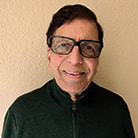
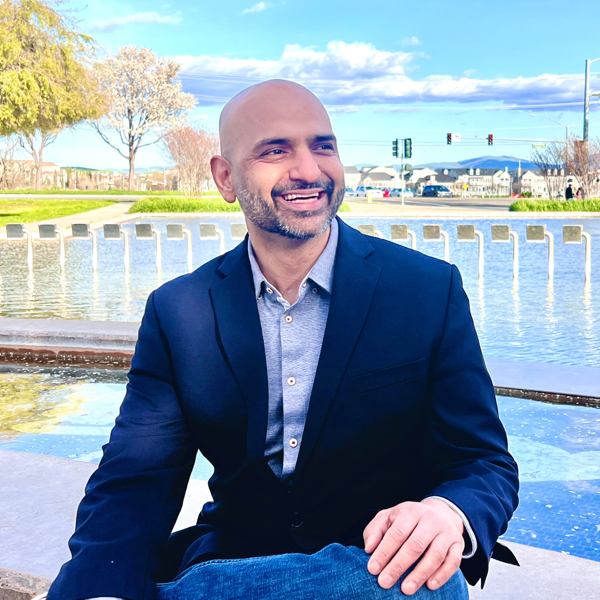
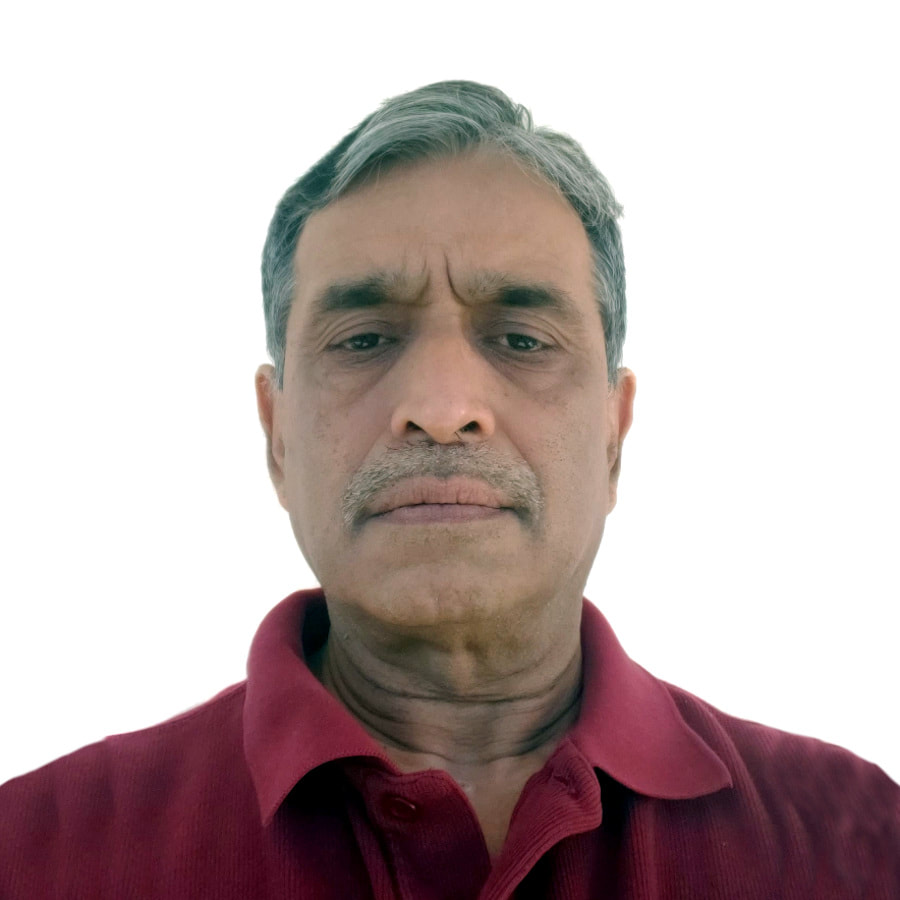
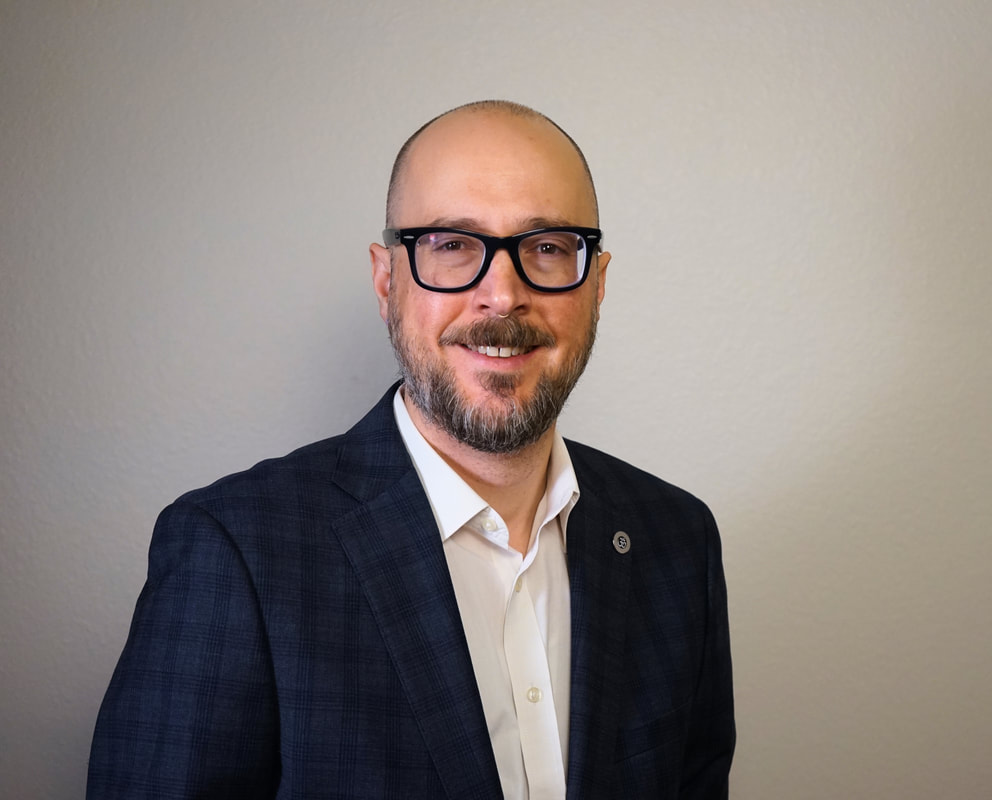
Plus 20+ visiting faculty and subject matter experts from across the Hindu diaspora