Overcoming Self-Doubt & Imposter Syndrome in Spiritual Care
Therefore, always conscientiously perform good material actions (karyam) and spiritual actions (karman) without attachment. By doing all actions without attachment, one attains the highest.
Bhagavad Gita, Chapter 3, Verse 19In spiritual care, practitioners often encounter individuals at critical junctures in their lives. While some circumstances are celebratory, such as marriage, many include aspects of life's greatest challenges -- end-of-life care, loss, grief, and spiritual crisis. In times of celebration and need, practitioners will often be relied upon as experts, or, at a minimum, as compassionate listeners and spiritual companions to help individuals and families navigate the challenge at hand.
Inevitably, there will be times when internal questions of competency or self-doubt rise to one's consciousness. For some, these feelings can become impediments to professional function and growth, in what is referred to as imposter phenomenon or syndrome. As this phenomenon becomes more commonplace in the modern dialogue of work and life, it is also necessary to understand it within the context of those who provide spiritual care.
What is Imposter Phenomenon?
The experience of Impostor Phenomenon [IP] surpasses typical feelings of self-doubt and anxiety that occur in new and unfamiliar situations. The emotional profile of IP includes prolonged feelings of self-doubt or being a fraud; personal success and accomplishment credited to external sources, coincidence, or pure luck; and failure attributed solely to the traits of the individual. Those who struggle with IP may engage in extensive impression management, self-deprecation, and overcompensate irrationally in their work.
Although IP impacts both men and women, research suggests that it is more prevalent in women, high achieving individuals, racial/ethnic, and religiously underrepresented populations. Based on extant research suggesting that IP impacts religious minority populations to a greater extent, it could be posited that in specific spiritual care settings, Hindu, Buddhist, and Muslim spiritual care providers may experience imposter phenomenon to a greater extent than their Christian counterparts.
Unfortunately, there is currently a paucity of research examining impostor phenomenon in spiritual care settings. Due to the lack of literature examining this experience in spiritual care, any assumptions made remain hypothetical. However, with a knowledge gap identified, a call for more research into this area is warranted -- particularly for underrepresented spiritual caregivers.
Addressing Imposter Phenomenon
If Imposter Phenomenon is significantly impairing one's ability to function in their personal, professional, or social life, it may be beneficial to seek help from a Hindu spiritual care provider, or licensed clinical provider such as a psychologist, therapist, or counselor. When IP has not risen to the point of seeking professional help, other approaches adapted from cognitive behavioral therapeutic techniques may be beneficial in helping restore feelings of well-being, such as the following:
- Reframing: Identify and challenge self-limiting thoughts when they arise. Ask yourself if the thought is true and find evidence to counter the negative belief about yourself. Whether the belief is true or false, also ask if it is helpful to continue down this thought path. Try to replace inner negative self-talk with positive affirmations about your value as a spiritual care provider and the higher purpose for which you provide care.
- Recognize: Identify situations that trigger feelings of IP, track, and make note of the physiological sensations and emotions that arise in these situations. Early identification can help you deploy techniques in the moment to help counteract unhelpful feelings, and thus avoid a downward emotional spiral.
- Self-compassion: Those in spiritual care are comfortable practicing compassion towards others, however, they may not be as comfortable in practicing self-compassion. As a child of the Divine and a Karma Yogi*, treat yourself with kindness, concern, and understanding rather than criticism. Acknowledge that self-doubt is a normal part of human experience, and you are allowed to make mistakes on your path of learning and service.
- Meditation & Yoga: The benefits of meditation and yoga are well-established in scientific and spiritual literature. Establish a regular practice, and stick with it to help reduce stress, psychological distress, and improve overall well-being.
- Lean into Social Support Systems: Identify and connect with supportive communities found in family, friends, mentors, and spiritual sangha. Social support can act as a buffer against psychological distress and promote resilience.
- Gratitude: Practice gratitude, celebrate accomplishments, and engage in positive self-reflection or journaling. Research suggests that dispositional gratitude is related to overall subjective and psychological well-being.
- Growth: Focus on spiritual growth and learning, not external validation. Work to emphasize the meaning and joy derived by your seva.
Implementing these strategies requires consistency and time to counter ingrained thought patterns. In closing, those with a heart for service and on the yogic path may have a different perception and experience of imposter phenomenon, or perhaps not experience it at all. For those who do, there are techniques available to help move past this phenomenon and help is available when required.
*Editor's Note: Karma Yogi: One who practices the spiritual discipline of selfless action.
References
- Carvajal, D., Reid, L., & Zambrana, R. (2023). URiMs and imposter syndrome: Symptoms of inhospitable work environments?. Family Medicine.
- Chrousos, G. P., & Mentis, A. F. A. (2020). Imposter syndrome threatens diversity. Science, 367 (6479), 749-750.
- Clance, P. R., & Imes, S. A. (1978). The imposter phenomenon in high achieving women: Dynamics and therapeutic intervention. Psychotherapy: Theory, Research & Practice, 15 (3), 241.
- Hutchins, H. M. (2015). Outing the imposter: A study exploring imposter phenomenon among higher education faculty. New Horizons in Adult Education and Human Resource Development, 27 (2), 3-12.
- Le, L. (2019). Unpacking the imposter syndrome and mental health as a person of color first generation college student within institutions of higher education. McNair Research Journal SJSU, 15 (1), 5.
- Lewis, L. (2018). Imposter syndrome: The convoluted phenomenon and its popularity in the workplace.
- McGregor, L. N., Gee, D. E., & Posey, K. E. (2008). I feel like a fraud and it depresses me: The relation between the imposter phenomenon and depression. Social Behavior and Personality: An international Journal, 36 (1), 43-48.
- Portocarrero, F. F., Gonzalez, K., & Ekema-Agbaw, M. (2020). A meta-analytic review of the relationship between dispositional gratitude and well-being. Personality and Individual Differences, 164, 110101.
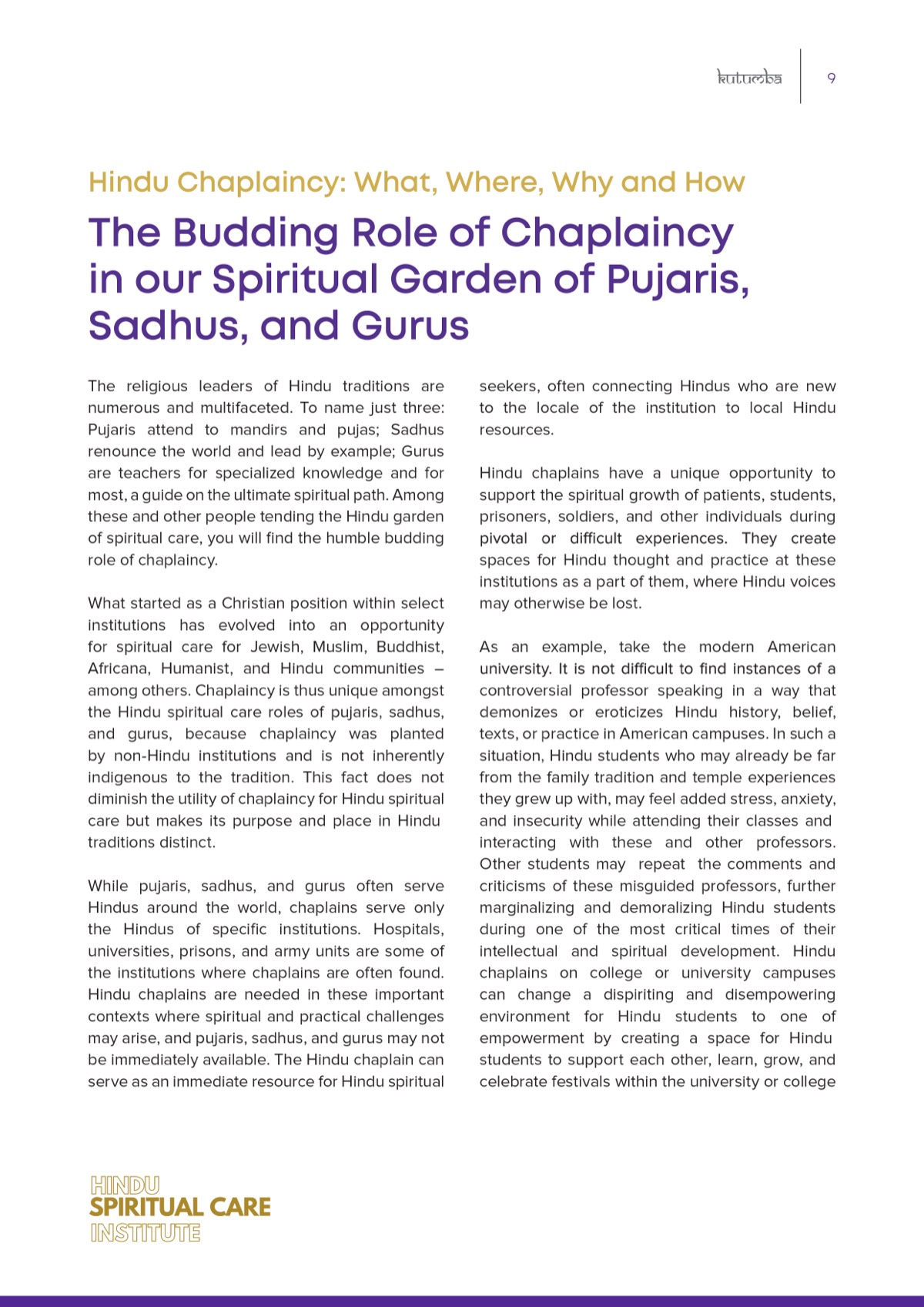
Zachary Ginder, PsyD
Zachary Ginder, a current HSCI and GTU scholar, holds a Doctorate in Clinical Psychology and a Master's in Social Work. He has a passion for service to others, which is exemplified by his professional and volunteer efforts serving the spiritual and broader community in both leadership and direct practice roles. He currently resides in Riverside County, California with his family.