From the Editor

Welcome to the 2025 edition of Kutumba. Since its launch in 2023 as the journal of the Hindu Spiritual Care Institute (HSCI), Kutumba has grown in parallel with HSCI's mission. This edition reflects a sharpened vision -- rooted in tradition, responsive to change, and committed to the evolving discourse on spiritual care.
HSCI was established to advance Hindu Chaplaincy globally. Though grounded in Hindu thought, we do not proselytize. Our work is anchored in compassion, presence, and service, (seva in Dharmic thought) -- values that transcend religious, parochial, and institutional boundaries. As chaplaincy evolves beyond its Christian pastoral origins, the need for contextually adapted models is increasingly urgent, particularly within Dharmic traditions. And that is one of our missions. And we are open to collaboration with all like-minded organizations in this pursuit and even feature them in this issue.
We are living through a time marked by fragmentation, loneliness, and a widespread search for meaning. The Hindu diaspora, too, is confronting this zeitgeist, prompting a renewed awareness of the need for structured spiritual support. HSCI responds by integrating classical Hindu insights with the best of modern chaplaincy education and technology.
From a training initiative, HSCI has become a platform for education, outreach, and innovation.
From a training initiative, HSCI has become a platform for education, outreach, and innovation. Our AI-enabled tele-chaplaincy tool, Trayacare, exemplifies this shift. We are also honored that the Graduate Theological Union (GTU) now recognizes 12 academic credits from HSCI toward its MA in Interreligious Chaplaincy -- an affirmation of the quality and seriousness of our programs.
This issue inaugurates a new editorial direction as Kutumba transitions toward becoming a peer-reviewed journal. Alongside profiles of our graduates and institutional updates, we feature reflections on chaplaincy education, technology, and emerging areas of care from HSCI and other institutions in interreligious and Hindu Chaplaincy, underscoring a growing and diverse field. And our commitment to openness and partnership.
We explore key frontiers -- corporate chaplaincy, the role of AI in spiritual care, and the ethics of psychedelic-assisted healing -- all situated within the lived realities of the diaspora and beyond.
We invite readers to submit work that reflects on chaplaincy, theology, care, and cultural transformation -- especially from Hindu and Dharmic perspectives, though interreligious and inter-faith voices are most welcome. For submission guidelines, contact journal@hinduci.com.
We hope this issue offers both depth and relevance, and we welcome your reflections as we continue this journey together.
Editorial Board: Punit Mahendru, PhD; Lakshmi Srinivasan, MD; Ashok Chandrasekhar, PhD, Editor-in-Chief
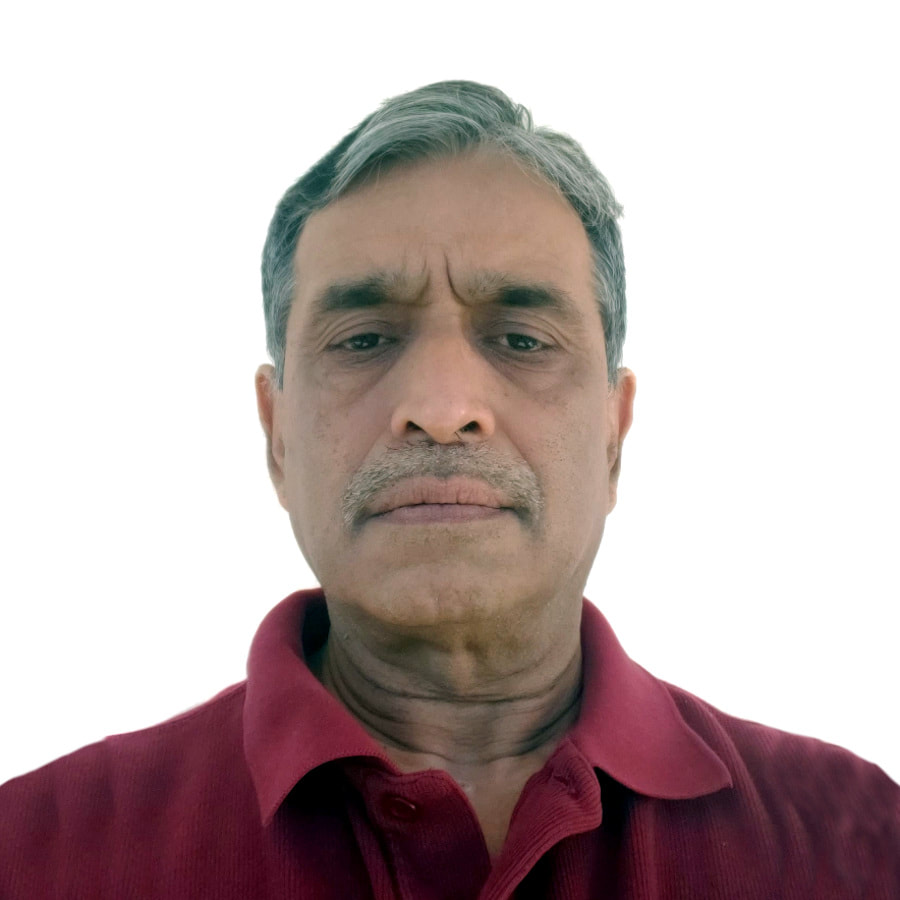
Ashok Chandrasekhar, PhD
Drawing on his journey as a chaplain, executive, and educator, Dr. Ashok Chandrasekhar, PhD, is dedicated to fostering community-based spiritual care for the Indian diaspora and people of all backgrounds and faiths. As Editor-in-Chief of Kutumba, he has a strong background in research and focuses on spiritual care to expand the knowledge base for all communities.