Emerging Trends in Chaplaincy: A Profession Broadening in Scope and Depth

1.0 Abstract
In this paper, we examine how chaplaincy has expanded beyond the traditional Christian framework of pastoral care to encompass diverse populations with varying agendas, faith traditions, and locations. Modern technology has also opened new avenues of providing care. All these changes require Chaplains to be more open to diverse viewpoints and to focus on Chaplaincy skills more than just pure theology.
2.0 Introduction
To an adherent of Dharmic traditions, life is constantly in flux, defining and redefining itself its boundaries. Similarly, chaplaincy has evolved from the geographically located pastoral communities in the Christian tradition, as envisioned by Pope Gregory. These priests went by the title Chaplain (Latin cappellani). Chaplaincy is now being forced to evolve in response to the changing needs of the communities it serves. From its origins rooted in Christian pastoral care to its role today as a multi-dimensional, multi-faith, and often secular profession, chaplaincy has expanded far beyond its original boundaries. The breadth of where chaplains serve, the depth of care they are expected to provide, and the diversity of those they accompany have fundamentally reshaped the profession in ways few could have imagined even a generation ago. Modern chaplaincy has its roots in Christian pastoral care. However, I would argue that the first recorded version of pastoral care can be found in the Bhagavad Gita, where Lord Krishna (Narayana or God) educates his devotee, Arjuna (Nara or man), on the topics of living and dying.
Pastoral care began first with the local community (parish), then extended into the military, hospitals, prisons, and educational institutions. Even the name "Pastoral Care" has given way to many alternative names, including Chaplaincy and Spiritual Care. Sometimes, these terms are used interchangeably; at other times, a distinction is made. Chaplaincy or pastoral care is often associated with the Christian tradition. In contrast, spiritual care appeals to a broad spectrum, including atheists, humanists, and adherents to other religions, such as Buddhism and Judaism. So the change in the nature of chaplaincy has occurred in three different areas:
1. Where these services are provided. Chaplains are now embedded in diverse spaces that reflect the changing needs and complexities of modern life -- corporations, universities, trauma response teams, disaster zones, and even athletic events.
2. A broader range of communities that are served. This is mainly driven by the communities falling through the cracks (like people without housing) or other religions like Judaism, Islam, Buddhism, and now Hinduism. There may be an overlap with the previous area. However, more and more communities and religions are embracing a customized version of the Chaplaincy paradigm.
3. The changing methods of providing these services. The traditional method was one-on-one in the Church or the hospital. Today, technology and AI are redefining how such services are provided, including using psychedelics.
3.0 Some areas where there is an expansion into areas served or where these services are provided
3.1 Street Chaplaincy
Perhaps one of the most striking examples of this evolution is street chaplaincy, where chaplains leave formal institutions behind to accompany individuals experiencing homelessness, addiction, and poverty. These chaplains operate on the margins, offering spiritual care, advocacy, and sometimes simply a human presence in environments where dignity and compassion are often scarce. Unlike traditional chaplaincy settings, street chaplains must build trust in unstable environments, working without the structure or resources that institutions typically provide.
3.2 Environmental Chaplaincy
Similarly, environmental chaplaincy reflects growing awareness that the climate crisis is not only an ecological disaster but also a spiritual and existential one. As communities grapple with eco-anxiety, ecological grief, and a sense of disconnection from the natural world, chaplains are stepping into roles that offer solace, reflection, and meaning-making.
3.3 Catering to non-Christians, including atheists, agnostics, and followers of non-Abrahamic religions
Increasing numbers of people identify as spiritual but not religious, agnostic, or atheist, while adherents of Islam, Hinduism, Buddhism, Judaism, Paganism, and Indigenous traditions are also seeking spiritual care, each with unique expectations and needs. Studies by the Pew Foundation estimate that about 30% of the US population identify as the nones (not practitioners of any organized religion, including atheists).
Rather than relying on religious language or spiritual frameworks, chaplains must emphasize deep listening, non-judgment, and creating space for meaning-making that does not assume belief in the divine. The rise of humanist chaplaincy reflects this need, offering spiritual care that focuses on ethical reflection, human connection, and personal values rather than religious tradition.
3.4 Corporate Chaplaincy
The Spiritual Care Association defines Corporate Chaplaincy as "Spiritually based care to persons in the context of their employment, respecting the diversity of the workforce being served. They respond to individual and family needs, as well as work-life concerns such as job stress, coworker relations, and career direction."
4.0 New Approaches to the Provision of Chaplaincy
To reach a wider swath of the population and optimize costs, Chaplains are increasingly turning to information and medical technology, following the lead of the healthcare industry. Some examples include:
4.1 Tele-Chaplaincy or Virtual Chaplaincy
Virtual chaplaincy, also known as telechaplaincy, is on the rise, accelerated by the COVID-19 pandemic and ongoing demands for accessible, remote spiritual care. Chaplains now offer support through telehealth platforms, video calls, and even text-based services, making care available to those isolated by geography, illness, or mobility challenges. While technology broadens access, it also challenges chaplains to cultivate authentic human connections across digital spaces, preserving the ministry of presence in new formats.
4.2 Increasing use of AI in Chaplaincy
AI can support chaplains by assisting with administrative tasks, enhancing communication through language translation tools, and analyzing emotional tone in conversations to better understand the needs of those they serve. Additionally, AI-powered chatbots and virtual companions can provide round-the-clock basic spiritual support, particularly in settings where chaplains are scarce. Again, this trend is rife with ethical issues and controversy.
4.3 Psychedelic Chaplaincy
Another area gaining momentum is psychedelic chaplaincy, emerging alongside research into the therapeutic use of psychedelics for trauma, depression, and end-of-life distress. Psychedelic experiences often evoke profound existential and spiritual questions, and chaplains trained in this field provide crucial integration support, walking alongside individuals without imposing religious frameworks but offering presence and space for reflection.
These new settings share a common thread: they demand chaplains to meet people where they are, both physically and spiritually, either within or outside the boundaries of formal religion.
5.0 Conclusion
The chaplaincy profession is in the midst of a profound transformation. It is broader, deeper, and more complex than ever before. From city streets to virtual platforms, from trauma units to environmental action, chaplains are being called to accompany people in their most vulnerable moments, across faiths, cultures, and worldviews.
These new settings and diverse populations demand far more than theological knowledge. Emotional intelligence, cultural competency, trauma-informed care, and the ability to work within interdisciplinary teams are now essential.
Interfaith chaplaincy models are beginning to emerge to meet these challenges, but gaps remain. Even well-established institutions struggle to recruit and support chaplains from diverse backgrounds, resulting in significant disparities between the demographics of careseekers and those providing care. The future of chaplaincy depends on intentional efforts to diversify its workforce and equip all chaplains to serve across religious and cultural boundaries with humility and competence.
Editorial Notes: The areas of AI, Corporate and Psychedelic Chaplaincy are further explored in separate articles in this issue. There is also articles on educational opportunities in Inter-Relegious and Hindu Chaplaincy as well as HSCI's approach to tele-chaplaincy using AI i.e. TrayaCare.
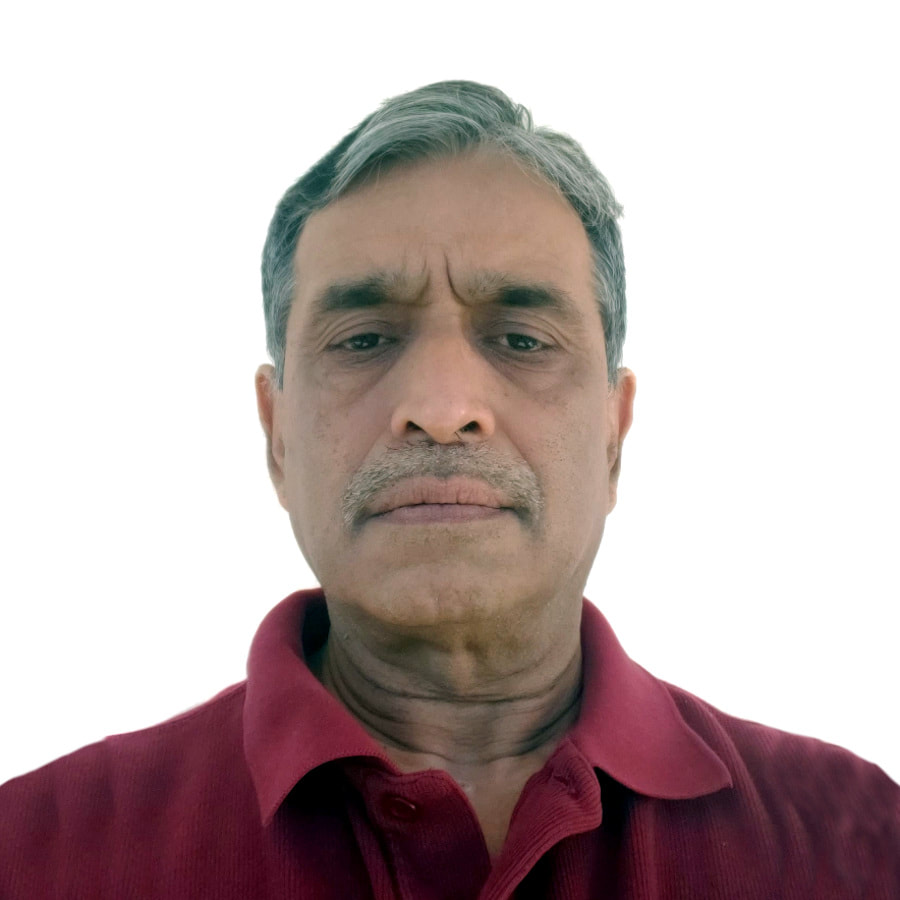
Ashok Chandrasekhar, PhD
Associate Dean at HSCI has a strong background in research. As Editor-in-Chief of Kutumba, he focuses on spiritual care to expand the knowledge base for all communities.